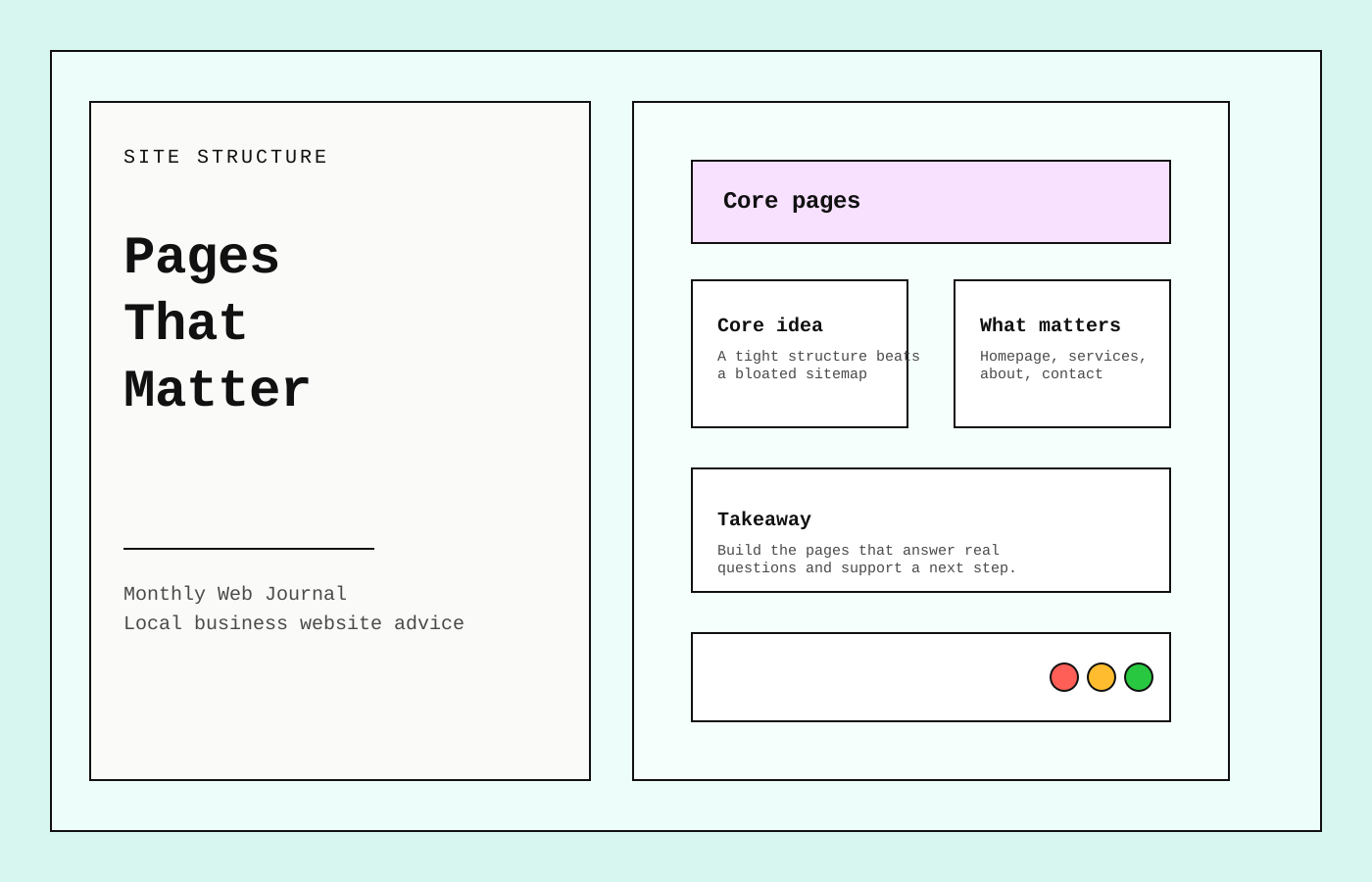
The goal is not more pages, it is better pages
Many small business owners assume a website needs a lot of pages to feel complete. In practice, a tight page structure often performs better than a bloated one.
What matters is whether each page answers a real customer question and supports a clear next step.
The core pages most small business websites should have
- Homepage
- Services or service-specific pages
- About page
- Contact page
- FAQ page or FAQ sections
When service pages are more important than a generic services page
A single services page can be fine for a very simple business, but distinct service pages usually perform better when you offer multiple meaningful services. They give search engines and customers more clarity.
For example, a roofer may need separate pages for repairs, replacements, inspections, and storm damage. A med spa may need separate pages for injectables, facials, laser treatments, and memberships.
When to add location pages
Location pages make sense when you genuinely serve multiple cities or neighborhoods and can create useful, specific content for each area. They should not be thin, duplicated pages with only the city name swapped out.
If done well, location pages can help both search visibility and conversion because they reassure users that you actually work in their area.
Pages that help trust and conversion
Depending on the business, additional pages that can help include a gallery, reviews page, process page, financing page, or a blog. These are not always necessary on day one, but they can strengthen trust when the business has the content to support them.
The main rule is simple: do not create pages just to fill space. Create them because they make the site clearer and more convincing.
Bottom line
A strong small business website is usually built on a lean structure: a homepage, service pages, an about page, a contact page, and clear FAQs. That is often enough to launch well and expand later based on actual business needs.
Common questions
How many pages does a small business website need?
Many small business websites can launch effectively with around five core pages, then expand later with service or location pages as needed.
Do I need separate pages for each service?
If your services are meaningfully different and customers search for them separately, dedicated service pages are usually a smart move.