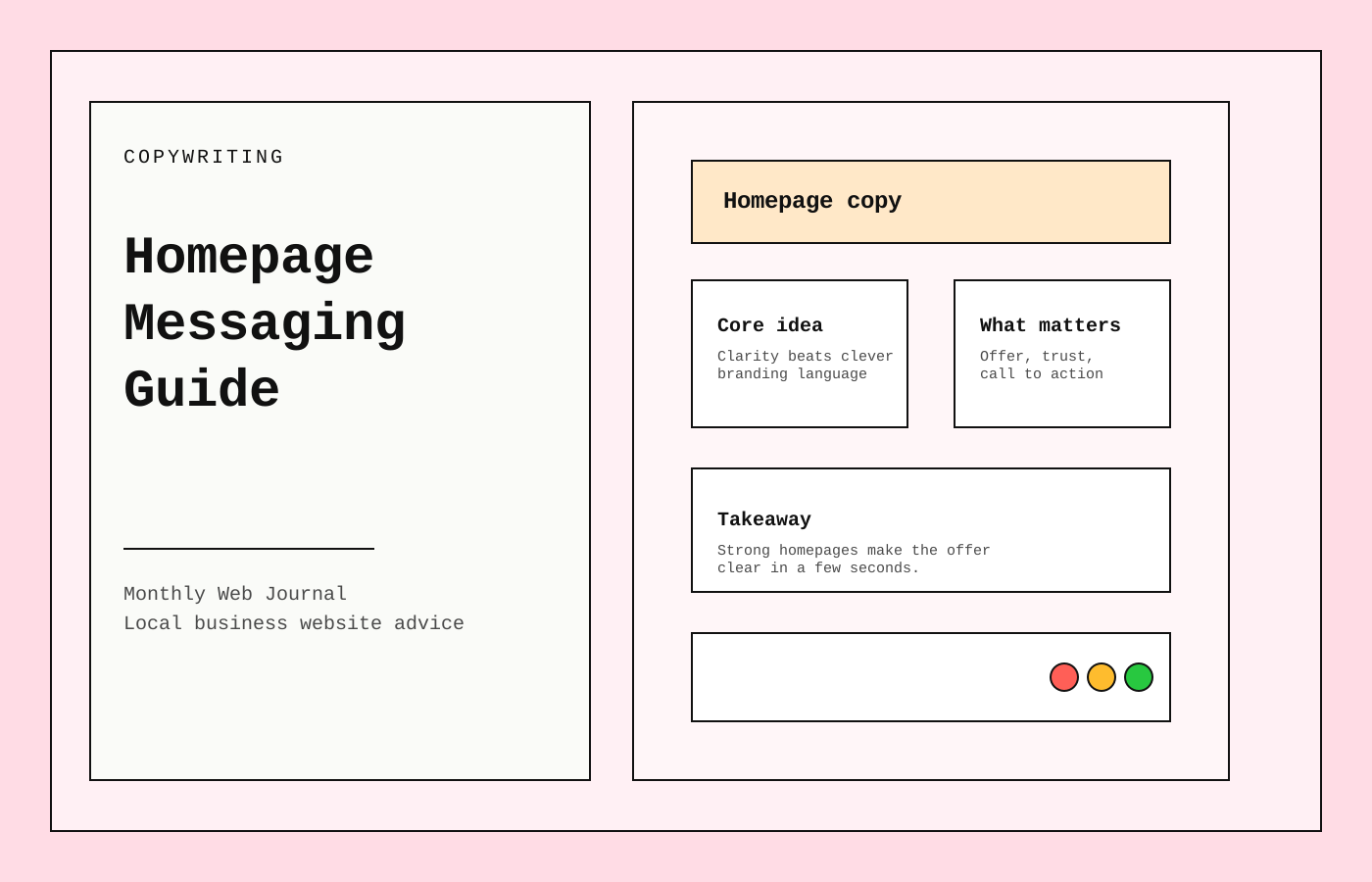
Clarity beats cleverness
The homepage is often the first impression a local business makes online. That means the opening message should not be vague, abstract, or overly clever. People should understand what you do, who you help, and where you work within a few seconds.
Many weak homepages lose leads because they lead with brand language instead of customer language.
What the top of the page should communicate
- The service you provide
- The type of customer you serve
- The market or location you serve
- A direct next step such as call, quote request, or intake
Trust signals matter early
A visitor who does not know your business is looking for reassurance. Reviews, years in business, project photos, credentials, and a clear explanation of your process help lower friction quickly.
You do not need to overwhelm the page with badges and noise. You do need enough evidence to make the business feel real, credible, and worth contacting.
Calls to action should be obvious
A homepage should not make people guess what action you want. The primary call to action should be visible, plain-language, and repeated in the right places.
For many local businesses, the right CTA is one of three things: call now, request a quote, or start intake.
Bottom line
A high-performing homepage is not just attractive. It is useful. It tells the right person they are in the right place and gives them a low-friction next step.
Common questions
What should the headline on a local business homepage say?
Usually it should clearly describe the service, the audience, and sometimes the location, rather than relying on a vague brand slogan.
How many calls to action should a homepage have?
A homepage can repeat the main CTA several times, but the hierarchy should stay clear so users always know the primary next step.